
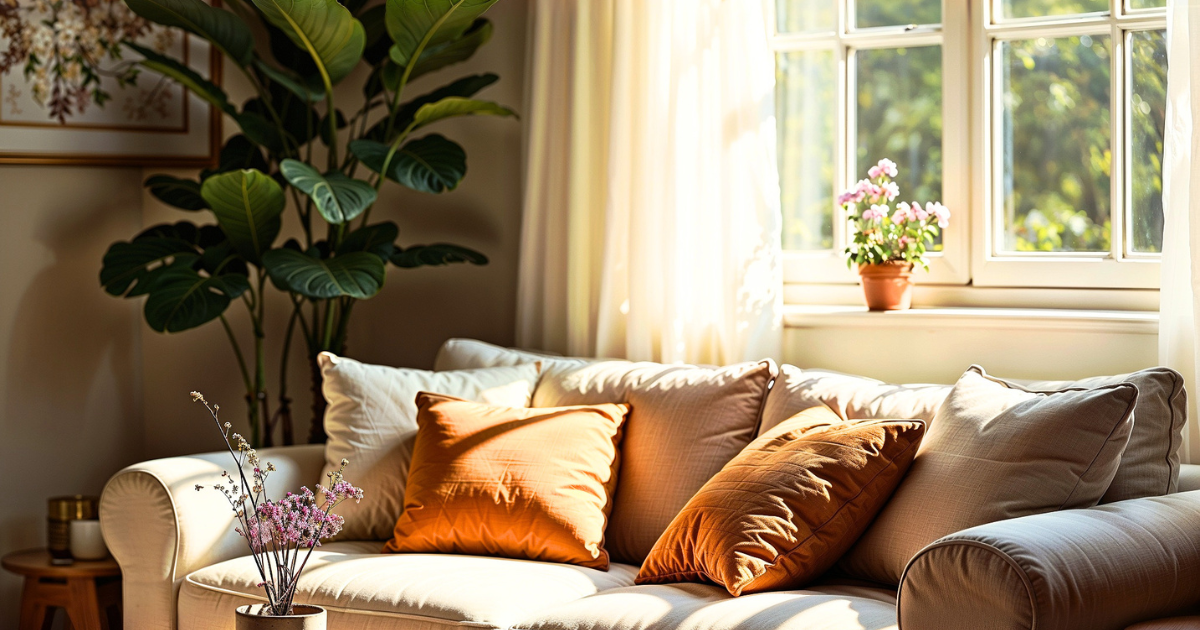
For busy parents juggling work, school schedules, and everyone’s wellness, home rarely feels like the place where bodies and minds truly recover. The core tension is that everyday irritations, stale air, harsh lighting, cluttered flow, and constant noise, can quietly chip away at sleep, focus, and mood, even when everything looks “fine.” The right home renovation benefits go beyond style, supporting real physical health improvements and stronger mental wellness at home. With thoughtful, family-friendly home upgrades, a house can become a healthier living environment that feels calmer and easier to live in.
Understanding Healthy Lighting, Airflow, and Quiet
At the heart of health-focused renovating is one idea: your home’s “sensory basics” shape how everyone feels day to day. Lighting design, ventilation, and noise control work together to influence indoor air quality, natural light, and how smoothly rooms function.
This matters because your family spends a huge chunk of life at home, and percent of their time inside makes small irritations add up fast. Cleaner air can support easier breathing and steadier energy. More balanced light and fewer sound interruptions can make it easier to sleep, focus, and stay patient.
Picture a weekday evening: the kitchen is bright but not glaring, cooking smells clear quickly, and the TV noise does not spill into homework time. A smarter layout keeps backpacks and shoes from turning into constant trip hazards, so the house feels calmer. With these basics clear, an HVAC refresh becomes the easiest place to start.
Upgrade Your HVAC for Cleaner Air and Steadier Comfort
Once you’ve dialed in the basics of light, airflow, and quiet, your HVAC system is where those comfort gains can really become consistent day to day. A thoughtful HVAC upgrade can improve indoor air quality by capturing more dust and pollen, smoothing out hot-and-cold swings so rooms feel more even, and helping keep allergens and humidity in check, small changes that add up to easier breathing and better sleep. If parts are worn or failing, replacements matter: ordering quality components helps your system run reliably, last longer, and fit the way it’s supposed to. When you’re shopping for HVAC parts, stick with reputable suppliers so you’re more likely to get durable, compatible pieces that won’t create new problems.
Health-First Renovation Priority Checklist
This quick checklist helps you pick upgrades that deliver real day-to-day comfort, not just prettier finishes. With the home remodeling market growing, a simple plan keeps your time and money aimed at what supports your family best.
✔ Confirm your top goal like sleep, allergies, or fewer headaches
✔ List your biggest irritants room by room: odors, dampness, dust, noise
✔ Prioritize high-impact fixes air sealing, ventilation, and moisture control
✔ Choose low-tox materials low-VOC paint, formaldehyde-free cabinetry, safer flooring
✔ Improve water confidence add filtration or replace aging pipes
✔ Add smart storage to reduce clutter traps and make cleaning easier
✔ Set a realistic budget and timeline with a buffer for surprises
Check off two items today, then schedule the first quote this week.
Habits That Keep Your Renovation Health-Positive
Renovations can make your home healthier, but habits are what protect those gains when life gets busy. These small weekly and daily practices help you notice problems early and keep your space feeling calm, clean, and restorative. And in Human Design if you are a Projector or Reflector, your environment in your home, at work etc. is really important for your wellbeing.
Air-Reset Routine
- What it is: Open two windows for 5 minutes, then run the bathroom fan after showers.
- How often: Daily
- Why it helps: It reduces stale air and moisture that can trigger odors and irritation.
Dust-Down on a Timer
- What it is: Do a 10-minute wipe and vacuum, focusing on floors and returns.
- How often: Twice weekly
- Why it helps: It cuts down on dust buildup that can bother sensitive noses.
Quiet Hours Check-In
- What it is: Set one daily quiet block and close doors, rugs down, and devices off.
- How often: Daily
- Why it helps: Less background noise supports calmer moods and easier focus.
Weekly Home Health Walk
- What it is: Use daily habits as a 5-minute lap for leaks, drafts, and smells.
- How often: Weekly
- Why it helps: Tiny fixes stay small when you catch them early.
Start Small and Keep Building a Healthier Home
Between busy schedules and tight budgets, it’s easy for home projects to slide into “good enough,” even when comfort and family health support are the goal. The healthier path is a steady mindset: focus on sustainable home upgrades, then back them up with healthy home maintenance that protects what you’ve improved. Over time, those small choices add up to wellness-centered living, better sleep, calmer moods, and fewer daily irritations, quietly improving quality of life for everyone under your roof. A healthy home is built through small, consistent upgrades, not one perfect renovation.

Guest writer for this article, Janice Russell, believes the only way to survive parenthood is to find the humor in it. She wants every frazzled parent out there to remember that for every kid stuck in a toilet, there’s another one out there somewhere who’s just graced their parents’ walls with some Sharpie artwork! She created Parenting Disasters so that parents would have a go-to resource whenever they needed a laugh, but also to show parents they aren’t alone.


